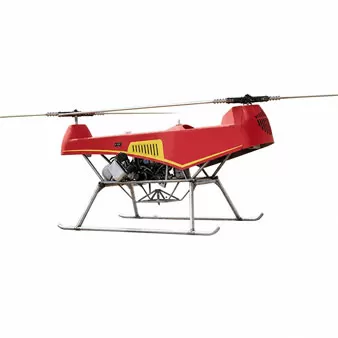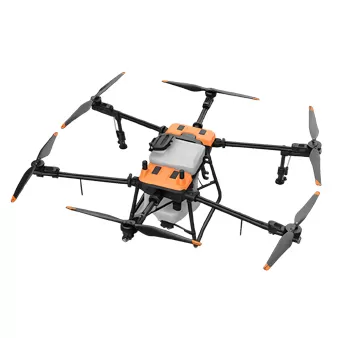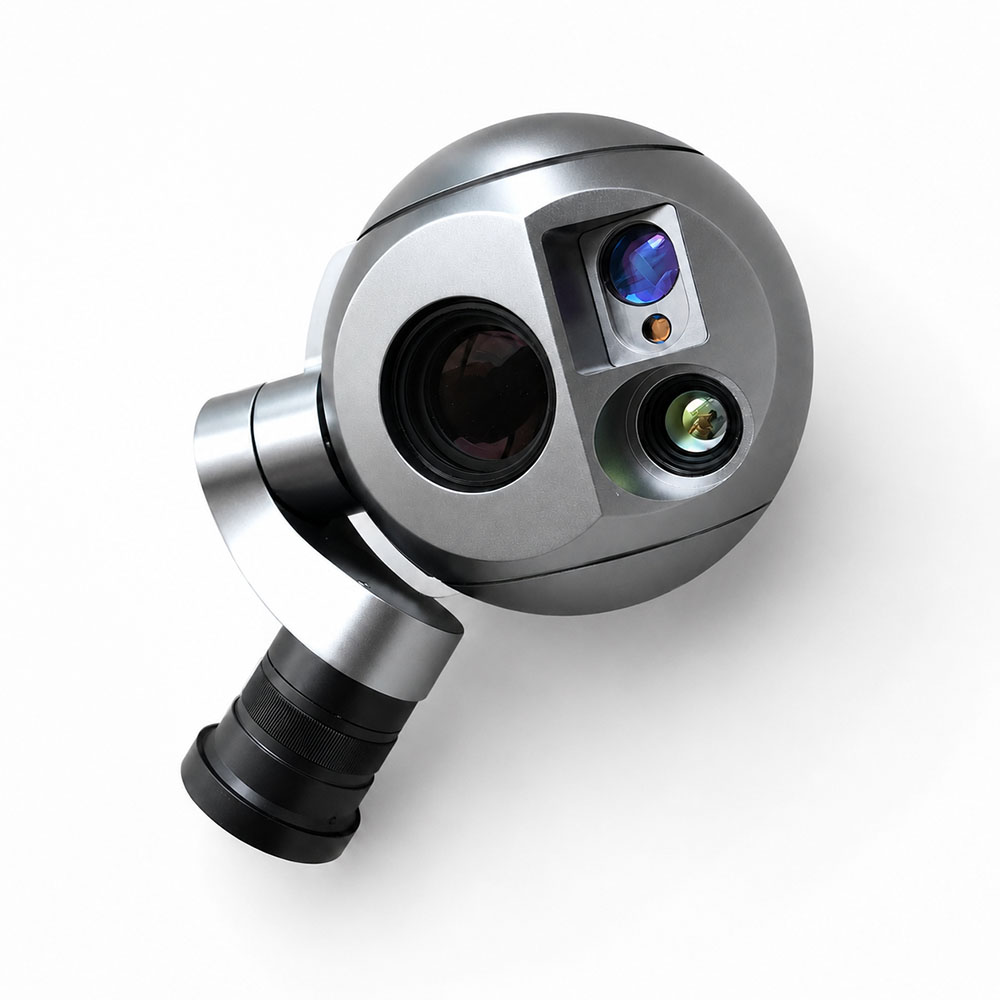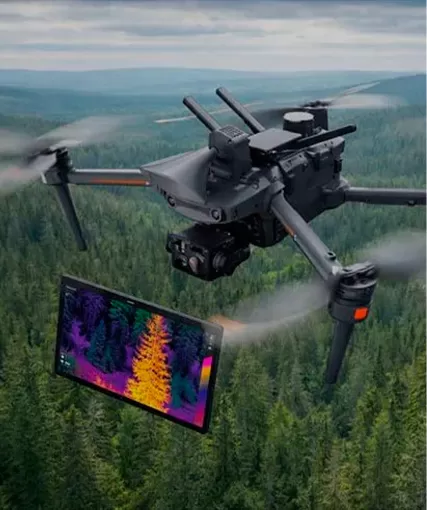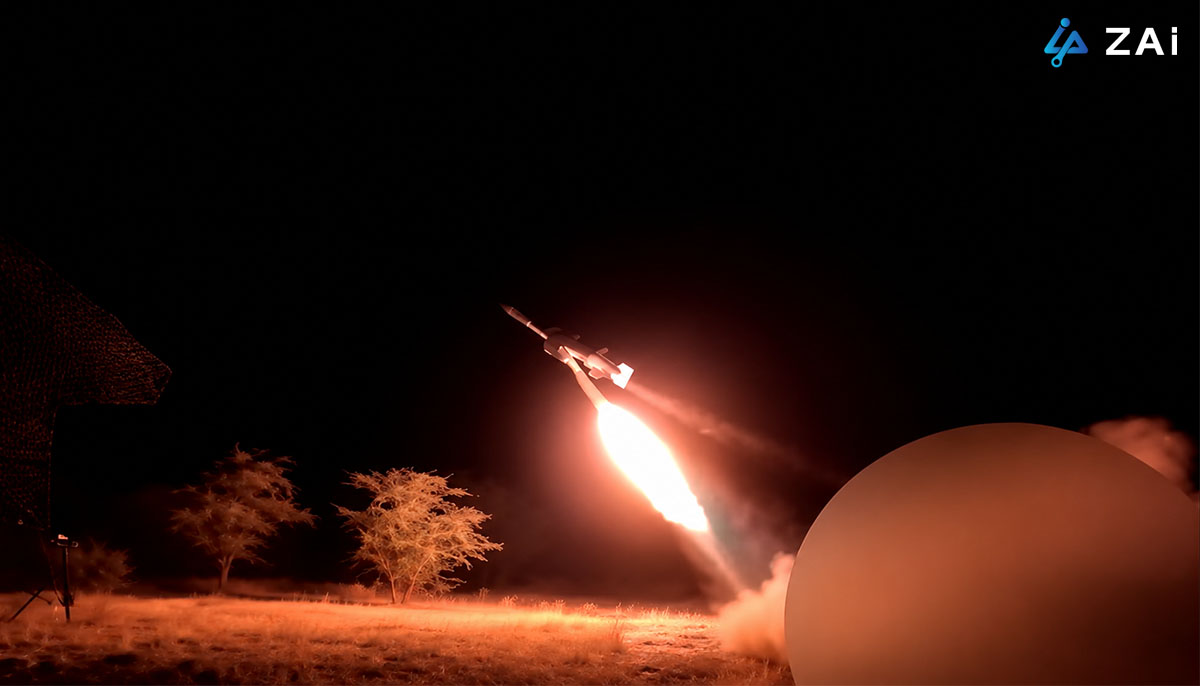
The rapid evolution of unmanned aerial systems (UAS) has reshaped modern security environments across the globe. What was once considered an advanced capability reserved for well-funded military organizations has gradually become more accessible through commercial technologies, modular manufacturing, and open-source software. Recent developments in the Middle East, including the widespread deployment of platforms such as the Shahed and Ababil series, have drawn global attention to the growing role of low-cost, GPS-guided unmanned aircraft in asymmetric operations. Their increasing presence demonstrates how affordable technologies can influence operational planning without relying on highly sophisticated platforms.
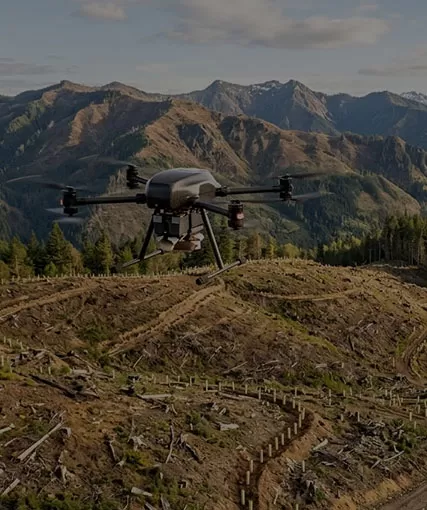
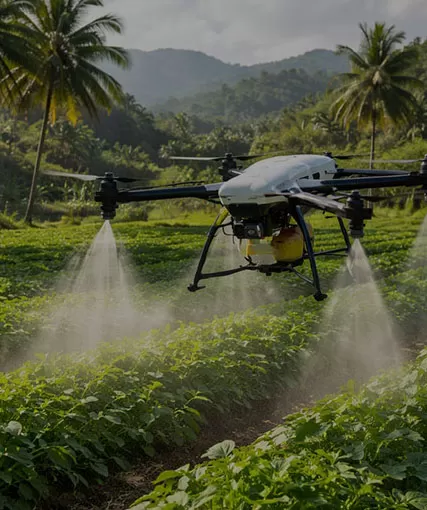
At the same time, it is important to recognize that the majority of drone technologies have legitimate civilian and industrial applications. Today, industrial drones support infrastructure inspection, emergency response, environmental monitoring, precision agriculture, logistics, and public safety. The same advances in navigation, lightweight materials, and autonomous flight that benefit commercial industries also influence how governments and security organizations evaluate emerging aerial technologies.
For manufacturers, operators, and security professionals, understanding these technological trends is no longer optional. It is essential for developing more resilient monitoring systems, improving airspace awareness, and preparing effective C-UAS strategies that can safely protect critical infrastructure.
Over the past decade, the drone industry has experienced remarkable technological democratization. Capabilities that once required specialized research programs are now supported by mature commercial supply chains, allowing manufacturers to build increasingly capable unmanned platforms at significantly lower costs.
Several technological developments have contributed to this trend.
One of the most significant drivers is the widespread availability of Commercial-Off-The-Shelf (COTS) components. Rather than designing every subsystem from scratch, manufacturers can integrate mature commercial hardware into reliable aerial platforms.
Examples include:
Open-source flight controllers
High-performance GNSS/GPS receivers
Brushless electric motors
Compact combustion engines
MEMS inertial sensors
Lightweight composite materials
High-density lithium batteries
The commercial drone market has dramatically improved the quality and affordability of these components. As production volumes increase worldwide, costs continue to decline while performance steadily improves.
This ecosystem benefits not only security-related applications but also industrial inspection, surveying, energy infrastructure management, and emergency services.
Hardware is only part of the equation.
Modern autonomous flight increasingly depends on sophisticated software capable of:
Autonomous waypoint navigation
Terrain following
Flight stabilization
Mission planning
Obstacle avoidance
Return-to-home functions
Sensor integration
Open software architectures have accelerated innovation across both research institutions and commercial manufacturers, allowing new capabilities to be introduced much faster than traditional development cycles.
For Tactical UAVs designed for professional operations, software flexibility often becomes just as important as hardware performance.
Modern unmanned aircraft are capable of navigating increasingly complex environments through the combination of satellite positioning, inertial navigation, onboard computing, and advanced control algorithms.
Several technological trends have become particularly influential.
Many professional drone platforms are optimized for low-altitude operations that reduce visibility while following natural terrain.
Terrain-aware flight enables aircraft to:
Navigate valleys and hills
Reduce exposure above the horizon
Improve mission flexibility
Maintain stable flight under varying conditions
These capabilities are valuable across numerous civilian sectors, including powerline inspection, forestry, disaster assessment, and search-and-rescue operations.
Modern drone systems increasingly combine multiple navigation sources rather than relying exclusively on GPS.
These may include:
Inertial Measurement Units (IMU)
Visual positioning
Terrain matching
Multi-constellation satellite navigation
Sensor fusion algorithms
Redundant navigation improves operational continuity when satellite signals become degraded or temporarily unavailable.
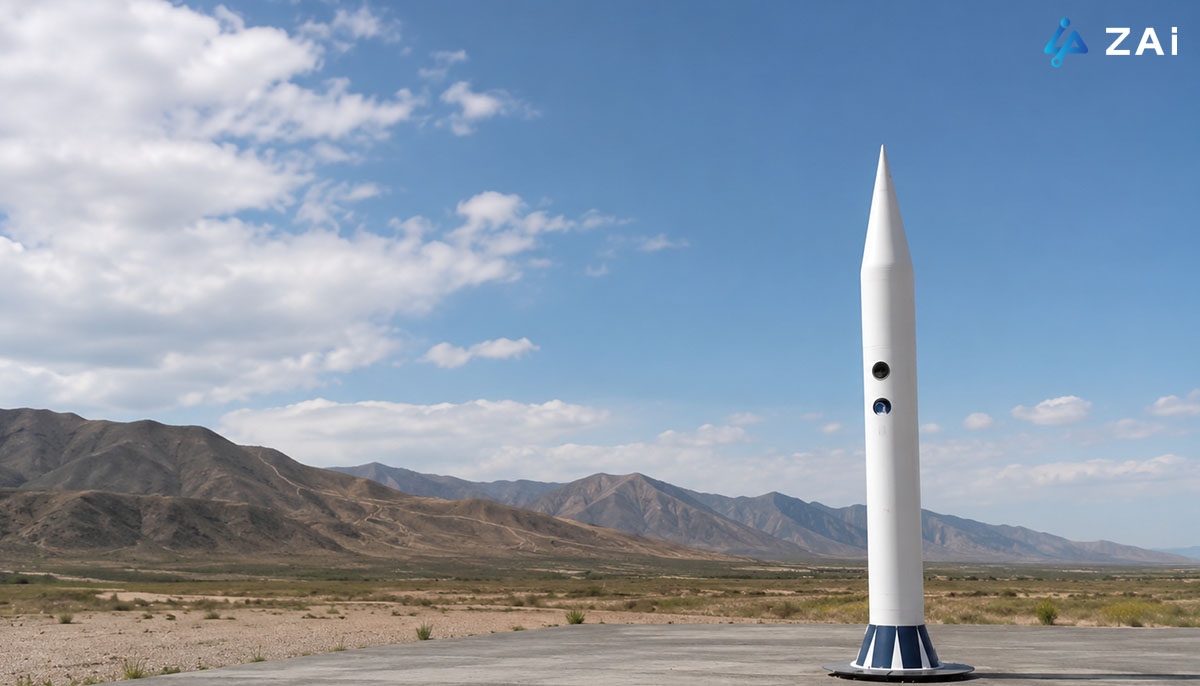
The growing availability of affordable aerial platforms has introduced new considerations for airspace monitoring and infrastructure protection.
Traditional surveillance systems were largely designed to detect fast-moving aircraft operating at higher altitudes. Smaller unmanned aircraft present a different set of detection characteristics.
Security professionals frequently describe challenging aerial objects as "Low, Slow, Small" (LSS) targets.
These aircraft often exhibit:
Small radar cross-sections
Low operating altitude
Relatively slow airspeed
Composite airframes
Quiet propulsion systems
Individually, none of these characteristics is unique. Together, however, they may reduce detection performance for systems originally optimized for conventional aircraft.
As commercial drone adoption continues to grow worldwide, airports, industrial facilities, energy sites, ports, and public venues increasingly require monitoring solutions capable of recognizing these new flight profiles.
Detecting unmanned aircraft is no longer dependent on a single technology.
Modern security solutions increasingly integrate several complementary sensors to improve situational awareness.
Common technologies include:
Short-range radar
Radio frequency (RF) monitoring
Electro-optical cameras
Thermal imaging
Acoustic sensing
Artificial intelligence-assisted target classification
Combining multiple sensing methods helps reduce false alarms while improving detection confidence under different environmental conditions.
The trend toward sensor fusion is expected to continue as autonomous aircraft become more common across both civilian and industrial environments.
As drone adoption expands, protecting sensitive locations requires more than simple detection.
Modern C-UAS solutions increasingly focus on a layered approach that includes:
Identifying potential aerial objects before they enter restricted airspace.
Analyzing radio-frequency activity to classify potential drone communications where applicable.
Using high-resolution cameras or thermal sensors to visually confirm aerial objects.
Providing operators with a comprehensive operational picture that supports informed decision-making.
Many contemporary systems emphasize monitoring, identification, and tracking as primary functions while integrating with broader security infrastructure.
The same technological advancements that improve professional drone capabilities also create tremendous opportunities across civilian industries.
Today's industrial drones contribute to:
Infrastructure inspection
Renewable energy maintenance
Mining operations
Precision agriculture
Disaster assessment
Public safety support
Environmental monitoring
Logistics research
As automation continues to mature, professional drone manufacturers are increasingly focused on improving reliability, flight endurance, payload flexibility, and operational safety rather than pursuing purely performance-driven metrics.
Responsible innovation also includes compliance with evolving aviation regulations, airspace integration standards, and cybersecurity best practices.
The future of Defense Drones will likely be shaped by a balance between affordability, intelligent autonomy, and responsible system integration. At the same time, professional UAV manufacturers continue to develop technologies that support a much broader range of legitimate industrial and public-sector applications.
Emerging trends include:
AI-assisted mission planning
Collaborative multi-drone operations
Enhanced onboard computing
Improved energy efficiency
Modular payload architectures
Advanced communication security
Greater interoperability with existing command systems
While public attention often focuses on systems such as loitering munitions, the underlying technological advances—including autonomous navigation, secure communications, and intelligent sensing—also benefit search and rescue, infrastructure management, emergency response, environmental protection, and scientific research.
These broader applications continue to drive investment across the global unmanned systems industry.
As the drone industry continues to evolve, organizations increasingly require solutions that combine reliable hardware, intelligent flight control, flexible payload integration, and scalable deployment options.
HongKong Global Intelligence Technology Group Limited specializes in the research, development, manufacturing, and customization of professional UAV platforms for industrial, commercial, and public-sector applications. The company provides tailored drone solutions designed to meet diverse operational requirements, including inspection, emergency response, surveying, mapping, and other specialized missions.
With extensive engineering experience and a commitment to continuous innovation, HongKong Global Intelligence Technology Group Limited works closely with customers to deliver dependable UAV systems while supporting safe, efficient, and responsible drone operations in an increasingly dynamic security environment.
Low-cost UAV technology is transforming the global security landscape through advances in commercial components, autonomous navigation, and intelligent software. These developments have expanded the capabilities of professional drone systems while simultaneously creating new challenges for airspace monitoring and infrastructure protection.
As organizations adapt to this evolving environment, investment in advanced detection technologies, multi-sensor awareness, and carefully designed C-UAS frameworks will become increasingly important. Equally important is the continued development of safe, compliant, and innovative industrial drones that serve civilian, commercial, and public-sector needs.
By combining technological innovation with responsible deployment, the drone industry can continue to unlock new opportunities while helping governments, infrastructure operators, and enterprises build safer and more resilient operational environments.
Reference: https://www.facebook.com/Reuters/videos/iranian-drone-attacks-on-cia-facilities-in-the-gulf-have-prompted-us-intelligenc/2126588301401665/


 English
 français
 Deutsch
 русский
 فارسی
فارسی ไทย
ไทย العربية
 Nederland
 বাঙালি
 Македонија