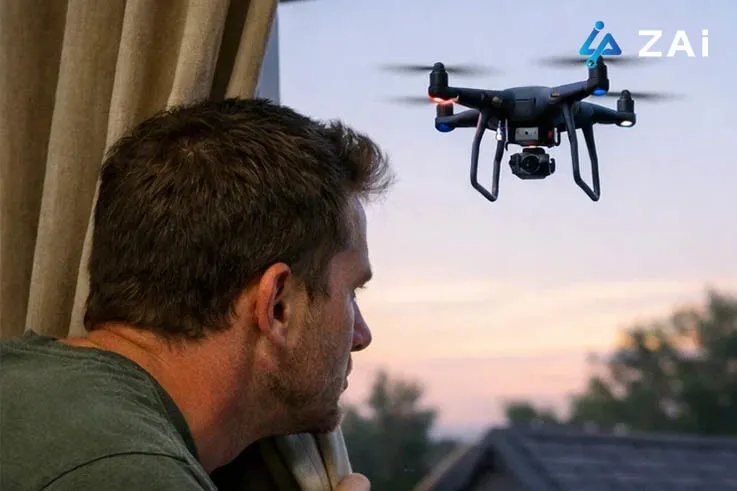
As the drone industry evolves, the skies are becoming increasingly busy. Whether you are managing a high-security facility, a large-scale farm, or are simply concerned about your privacy, the question "How can I detect a drone near me?" has never been more relevant.
At ZAi, the flagship brand of HongKong Global Intelligence Technology Group, we specialize in high-performance aerial solutions. While we empower industries with advanced flight technology, we also understand the importance of airspace awareness and security.
Here is a comprehensive guide on how to identify and detect drones in your vicinity.
The most immediate way to detect a drone is through your own senses. However, this is usually limited to short distances.
Auditory Cues: Most drones, especially a large agricultural drone or a heavy-lift payload drone, produce a distinct high-pitched "buzzing" or "whirring" sound. Because payload drones carry significant weight, their motors often work harder, making them louder than consumer models.
Visual Identification: Look for flickering lights. Most drones are required to have navigation lights (green, red, or white). During the day, look for an unusual silhouette moving steadily—unlike birds, drones move in precise geometric patterns or hover perfectly still.
For industrial sites or sensitive areas, human senses aren't enough. This is where a dedicated drone detector becomes essential.
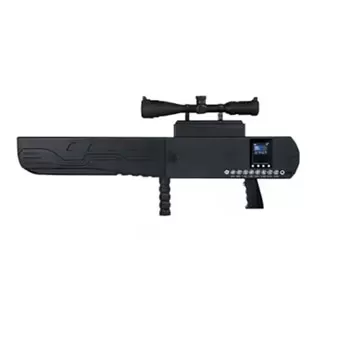
A drone detector is a specialized device designed to pick up the presence of Unmanned Aerial Vehicles (UAVs) long before they are visible to the naked eye. These systems typically use:
Radio Frequency (RF) Analyzers: They "listen" for the communication signals between the drone and its controller.
Acoustic Sensors: Sophisticated microphones that can filter out background noise to identify the specific frequency of drone propellers.
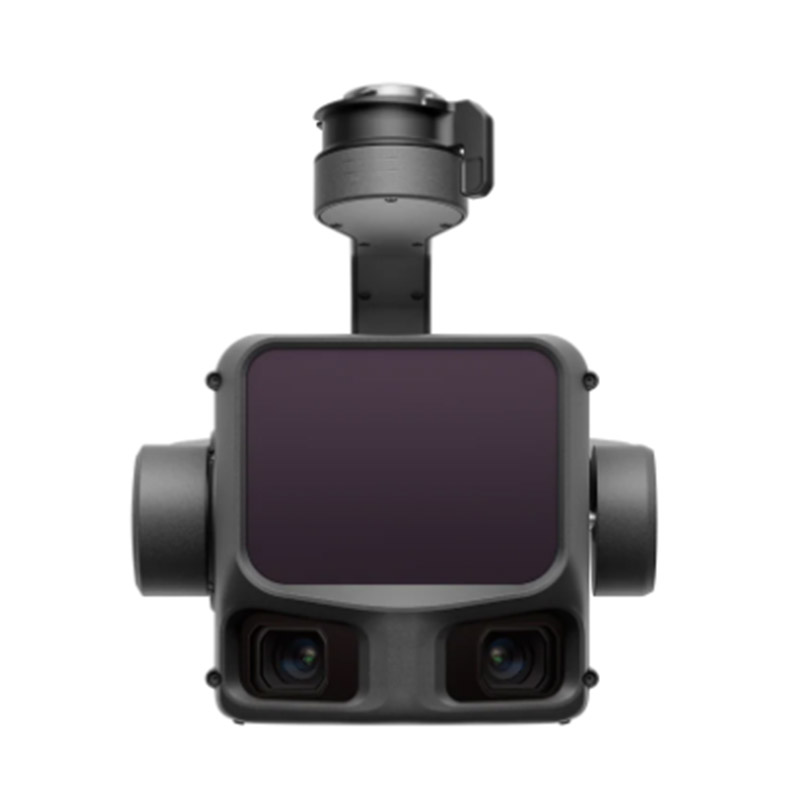
Optical Systems: High-definition cameras equipped with AI to distinguish a drone from a bird.
Knowing what you are looking at can help you determine the drone's purpose. At industrial-gradedrone.com, we categorize drones based on their professional application:
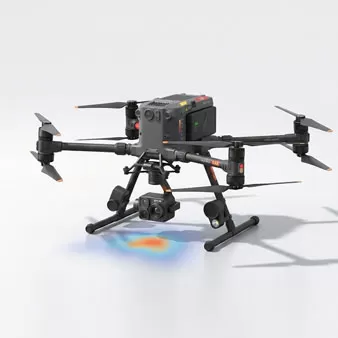
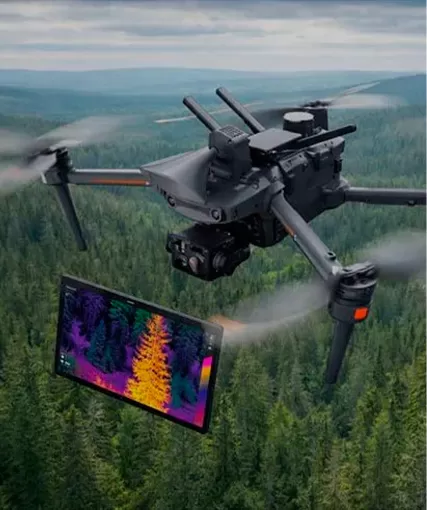
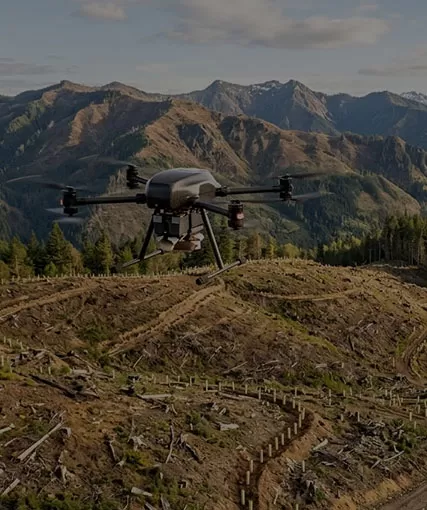
These are often used for power line inspections, bridge surveys, or search and rescue. They are built for durability and often fly at higher altitudes with high-resolution thermal cameras. If you see a drone hovering near infrastructure, it is likely an industrial drone performing a scheduled maintenance check.
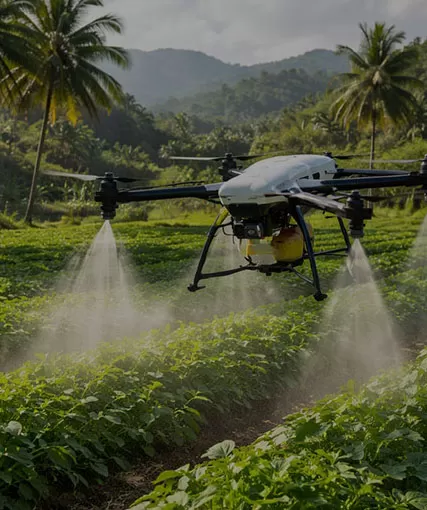
If you are in a rural or farming area, you might spot a large-scale agricultural drone. These are significantly larger than consumer drones and are used for crop spraying or multispectral imaging. They typically fly low over fields in a back-and-forth "lawnmower" pattern.
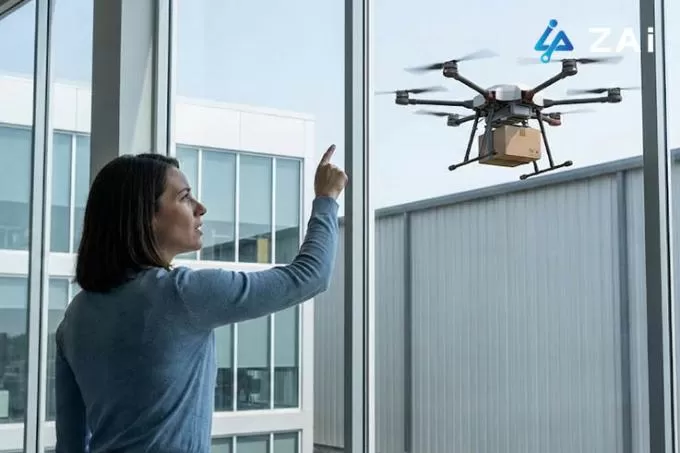
A payload drone is designed specifically to carry cargo, sensors, or specialized equipment. These are the "heavy lifters" of the sky. Because they carry extra weight, they are often slower but more stable. Detecting one usually indicates logistics or specialized technical work is happening nearby.
Etc....
As a leader in the drone industry under the HongKong Global Intelligence Technology Group, ZAi advocates for the responsible use of airspace. Detecting a drone is the first step in:
Ensuring Privacy: Protecting your home or office from unauthorized surveillance.
Safety: Preventing collisions in busy airspace or near airports.
Security: Protecting industrial secrets and sensitive sites from aerial espionage.
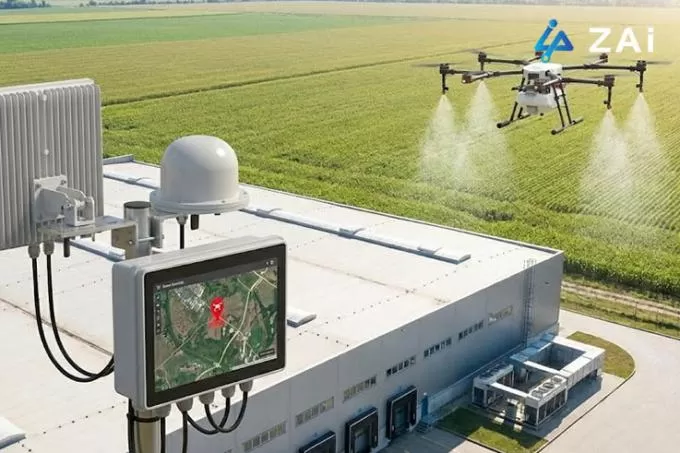
In the industrial sector, detection is about layering technologies. Below is a detailed comparison of the hardware and technologies used to secure industrial airspace in 2025.
| Technology | Detection Method | Range | Best For | Main Advantage |
| RF (Radio Frequency) | Scans for C2 (Command & Control) signals and Remote ID. | 3–15+ km | General monitoring, finding the pilot. | Passive & Stealthy:Does not emit signals; identifies drone model. |
| Radar (Doppler) | Bounces radio waves off the drone's physical body. | 1–5 km | Autonomous or "dark" drones (no RF). | 24/7 Tracking: Works in total darkness and identifies flight paths. |
| EO/IR (Optical/Thermal) | AI-enhanced cameras that "see" shapes and heat signatures. | 1–3 km | Visual confirmation & payload analysis. | Visual Proof: Can see if a payload drone is carrying a camera or cargo. |
| Acoustic Sensors | Matches propeller sound signatures against a database. | <500m | Low-altitude, quiet environments. | Non-Line-of-Sight:Can "hear" drones behind buildings/trees. |
Detecting a drone requires a mix of situational awareness and the right technology. While your eyes and ears are your first line of defense, a professional drone detector is the only way to ensure 24/7 security against sophisticated industrial drones.
Whether you are looking to deploy a high-efficiency agricultural drone for your farm or need a robust payload drone for logistics, understanding the technology is key to mastering the skies.

 English
 français
 Deutsch
 русский
 فارسی
فارسی ไทย
ไทย العربية
 Nederland
 বাঙালি
 Македонија