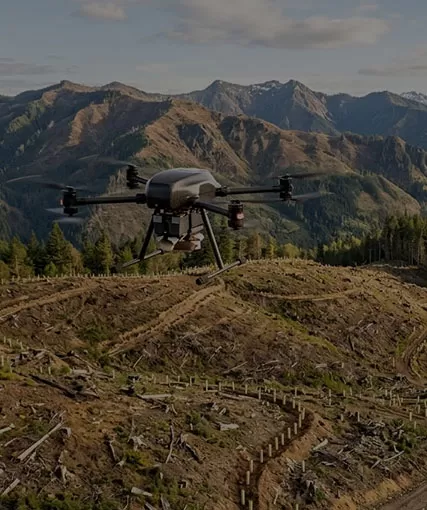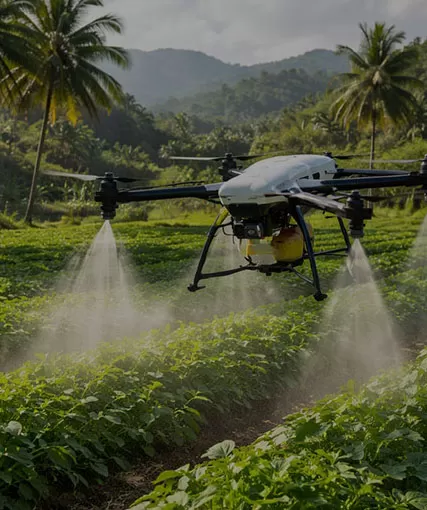
With the continuous popularization of aerial photography and flying culture, drones are no longer just "tools for shooting videos," but have become a trendy sport and creative method favored by more and more people. Among them, first-person view (FPV) drones, with their immersive, highly maneuverable, and strong control experience, have quickly become a popular model among drone enthusiasts. Hong Kong Global Intelligent Technology Group Co., Ltd. has focused on the research and development and manufacturing of FPV drones, providing an easy-to-use, high-performance, and more stable FPV flying solution for flying enthusiasts with mature technology, reliable configuration, and a comprehensive service system. This beginner's guide will help you fully understand FPV drones from the aspects of core experience, product differences, and configuration advantages, assisting you in easily starting your own flying journey.
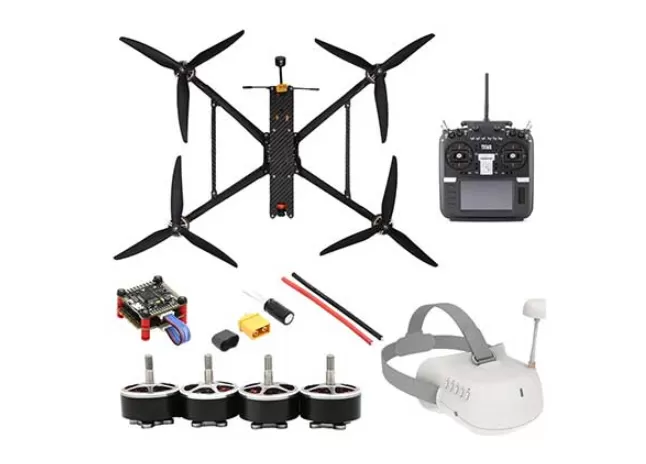
The greatest charm of FPV drones is allowing the pilot to experience the speed and freedom of flying from a "sitting in the aircraft" perspective. By using special flying goggles to receive real-time images transmitted back from the camera on the drone, combined with low-latency video transmission technology, the pilot can accurately judge direction, attitude, and distance, achieving a control experience as if personally piloting the aircraft. A complete FPV drone system from Hong Kong Global Intelligent Technology Group Co., Ltd. consists of four core components:
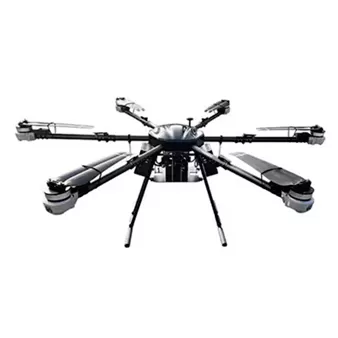
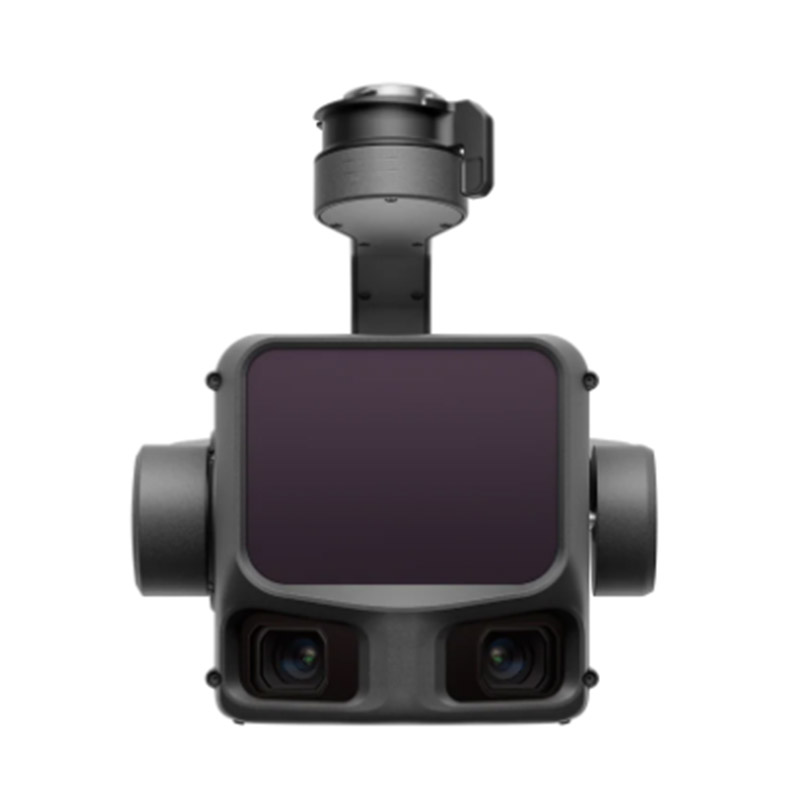
A drone body equipped with a low-latency onboard camera to ensure real-time, stable images.
A video transmission module that transmits real-time images, achieving long-distance, low-lag signal transmission.
Special flying goggles that receive and display real-time images, providing a strong immersive sensation.
A professional remote controller for operating the aircraft, featuring smooth operation and sensitive response.
Unlike ordinary drones, FPV drones from Hong Kong Global Intelligent Technology Group Co., Ltd. focus more on flight response, maneuverability, and manual control feel. They support multiple flight modes, meeting the needs of beginners for stable practice as well as advanced players for performing tricks, racing flights, and creative aerial photography. Whether for daily leisure flying, outdoor exploration, or personalized image creation, they bring rich and realistic flying fun.
Many people new to flying are often confused: how should one choose between FPV drones and the common aerial photography drones? In fact, the differences in positioning, experience, and target users between the two are very clear and easy to discern:
If you prefer simple operation, automatic stable flight, and just want to easily shoot scenery and record life, ordinary drones are more suitable.
If you pursue an immersive flying experience, enjoy manual control, seek speed and skills, and want to play with trick flying, FPV drones are more suitable.
In summary: ordinary drones focus on "stable and easy shooting, easy to start," relying on automatic balancing and intelligent positioning functions, allowing anyone to quickly capture stable images; FPV drones from Hong Kong Global Intelligent Technology Group Co., Ltd. emphasize "immersive control, high-mobility experience," focusing more on the real control feel of the pilot, suitable for users willing to learn, enjoy the flying process, and pursue challenges and fun.
Many people become interested in FPV and can't wait to buy a complete set of equipment, but the most efficient path is actually the four stages from "unable to fly" to "daring to take the first flight." The first step is not to buy a drone but to build a basic understanding and prepare peripherals. The most common mistake beginners make is purchasing a real drone without ever touching a simulator, resulting in wasted money and shattered confidence. In contrast, a professional remote controller that supports the ELRS protocol is worth prioritizing as it can connect to a computer for simulator practice and seamlessly integrate with real drones in the future. Meanwhile, simulators like "Liftoff" or "Uncrashed" provide the lowest-cost yet most effective "practice ground" for worry-free "crash practice."
When entering the second stage, it’s about the truly tedious but crucial "muscle memory training." It is recommended to start directly with manual mode (Acro Mode). Although difficult, this is the only way to build real flight control abilities. Start with the basics of takeoff and hovering, feeling the relationship between throttle and altitude, then move to coordinating roll and yaw for turns, gradually forming spatial control abilities. When you can complete continuous circle flying in the simulator without crashing, it indicates that you have a basic control foundation.
The third stage is hardware selection, at which point you will have a clearer understanding of what you need. Video transmission systems are mainly divided into analog and digital: analog transmission has extremely low latency and is cost-effective, more suitable for speed and competition; while digital transmission offers clear images and strong immersion, more suitable for filming and daily flying experience. For models, beginners can start with Whoop or ducted drones, the former with propeller guards suitable for indoor practice, and the latter balancing safety and filming capabilities, overall more user-friendly.
Finally, the most anticipated stage—first flight. This step requires the most "restraint" and respect. Choosing an open, unobstructed grassland will greatly reduce crash losses because the grass can absorb impacts well. Also, be sure to understand the use and charging safety of LiPo batteries in advance, as the fun of FPV is built on safety. After completing these four stages, you will not only be able to fly but also fly stably and for a long time.
Although the learning path of FPV is full of challenges, you are not fighting alone. Relying on the comprehensive service system of Hong Kong Global Intelligent Technology Group Co., Ltd., users can receive reliable support in purchasing, using, and maintaining their drones, making flying more assured and long-lasting. With this comprehensive service support, beginners can confidently cross the advancement threshold and enjoy the ultimate flying fun.
FPV drones from Hong Kong Global Intelligent Technology Group Co., Ltd. offer an immersive flying experience, stable and reliable overall performance, and user-friendly control design, providing flying enthusiasts with professional and practical FPV flying solutions. They meet the learning needs of beginners and support the expansion of advanced players, balancing fun, safety, and practicality, truly allowing more people to easily enter the world of FPV flying and redefining the public flying experience.
Q1: What does FPV drone mean?
FPV (First-Person View) drones are unmanned aerial vehicles that transmit real-time video to goggles or screens, allowing pilots to experience immersive flight control.
Q2: How is FPV different from normal drones?
FPV drones focus on manual control, speed, and immersive flying experience, while normal drones emphasize stability and automated aerial photography.
Q3: Do beginners need a simulator before flying FPV drones?
Yes. Simulators help beginners build control skills safely before flying real drones, significantly reducing crash risk and training cost.
Q4: What is the role of video transmission in FPV drones?
Video transmission systems send real-time footage from the drone to the pilot with minimal delay, which is critical for accurate control.
Q5: Are FPV drones difficult to learn?
They have a steeper learning curve than normal drones, but with structured training (simulator → manual mode → real flight), beginners can master them effectively.
Unmanned aerial vehicle – Wikipedia
Covers UAV structure, applications, and core components including propulsion and control systems.
Flight controller (UAV) – Wikipedia
Explains how drones stabilize flight, process sensor data, and execute pilot commands.
Wireless video transmission – Wikipedia
Describes low-latency video transmission systems used in real-time communication and FPV setups.
Radio-controlled aircraft – Wikipedia
Explains remote control systems used in drones and model aircraft.
Unmanned aerial vehicle applications – Wikipedia
Covers drone usage in photography, racing, recreation, and commercial fields.

 English
 français
 Deutsch
 русский
 فارسی
فارسی ไทย
ไทย العربية
 Nederland
 বাঙালি
 Македонија