Precision Strike & Loitering Munitions: How Drone Technology Is Reshaping Modern Defense Operations
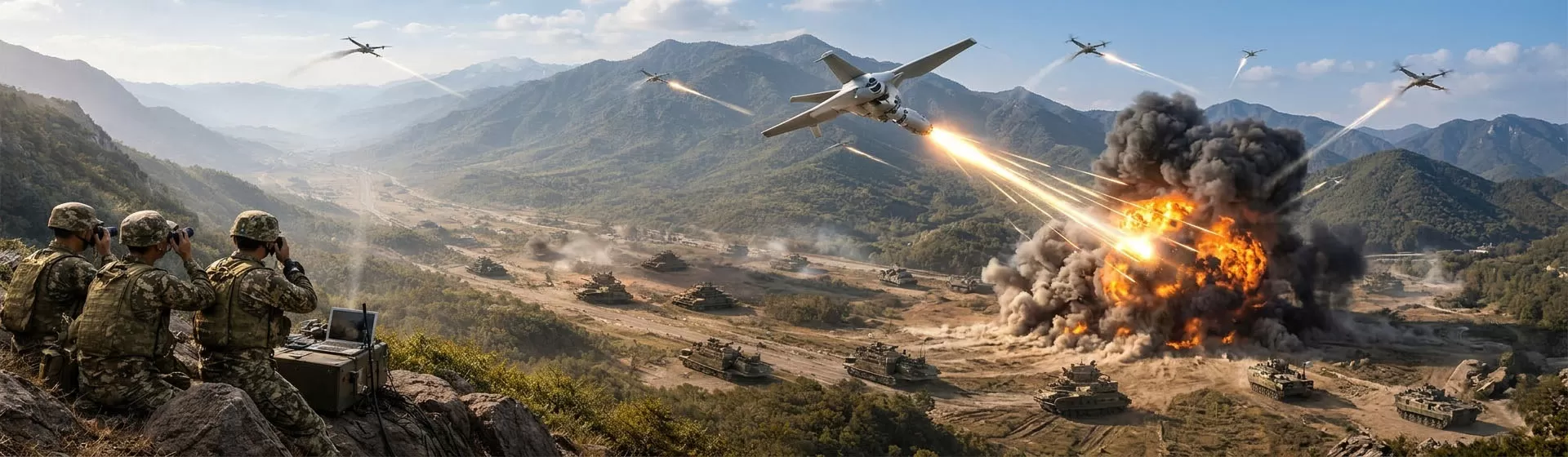
In today's rapidly evolving security environment, unmanned aerial systems have transformed the way modern defense forces conduct precision operations. From intelligence gathering to target verification and precision engagement, advanced UAVs have significantly shortened the traditional decision cycle while improving operational awareness and mission efficiency.
Within the broader drone for defense ecosystem, precision strike UAVs and loitering munitions represent two of the most influential developments in modern military technology. Although their operational concepts differ, both are designed to improve battlefield responsiveness, enhance situational awareness, and support mission execution under highly dynamic conditions.
As a professional UAV developer, manufacturer, and drone custom solutions provider, HongKong Global Intelligence Technology Group Limited continuously develops advanced drone platforms for a wide range of defense, security, and government applications, with flexible system integration based on specific operational requirements.
Precision Strike Applications
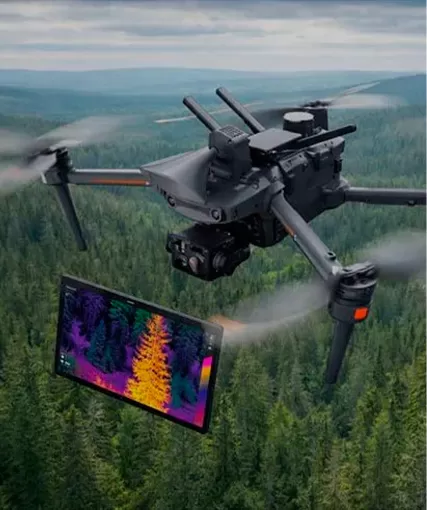
Precision strike missions require rapid target identification, continuous surveillance, and accurate engagement. In many operations, a single UAV performs both reconnaissance and strike support, dramatically reducing the time between target detection and mission execution.
Typical applications include:
High-value target engagement using precision-guided payloads to support operations against command facilities, radar stations, air-defense assets, or other strategically important infrastructure.
Target designation for indirect fire, where reconnaissance drones provide laser designation or real-time coordinates for precision artillery or missile systems.
Persistent battlefield observation, allowing operators to continuously monitor target movement before making informed operational decisions.
Compared with conventional strike methods, UAVs provide greater flexibility, improved target confirmation, and enhanced real-time intelligence throughout the mission.
Loitering munitions combine characteristics of both unmanned aircraft and guided weapons. Unlike conventional missiles that follow a predetermined flight path, these systems can remain airborne over a designated area while searching for suitable targets before executing terminal engagement.
Their operational advantages include:
Suppression of Enemy Air Defenses (SEAD) by monitoring for radar emissions and responding once threats are detected.
Beyond-line-of-sight engagement, enabling operations around terrain, urban structures, or natural obstacles that would otherwise limit conventional weapons.
Swarm operations, where multiple autonomous platforms cooperate to overwhelm defensive systems through coordinated flight and distributed mission planning.
Extended loiter capability, allowing operators to maintain surveillance until the appropriate engagement window becomes available.
These capabilities have made loitering munitions an increasingly important component of modern tactical operations.
A widely discussed example illustrating these capabilities is the Iranian Shahed-136 loitering munition. Its deployment in recent conflicts has demonstrated how long-range loitering systems can be employed to strike strategic infrastructure while presenting new challenges for modern air defense networks. The platform has also fueled global discussions about the increasing role of affordable unmanned systems in asymmetric warfare.
Why These Systems Matter
The growing adoption of precision UAVs and loitering systems reflects several significant operational advantages.
Faster Decision Cycles
Traditional engagement often requires multiple independent assets to locate, verify, authorize, and engage a target. Modern UAV systems integrate reconnaissance, tracking, and mission execution into a highly streamlined workflow, dramatically shortening the sensor-to-decision timeline.
Cost-Effective Operational Capability
Compared with many conventional guided weapons, unmanned systems can deliver comparable tactical value at considerably lower operational costs, enabling more flexible deployment across diverse mission scenarios.
Improved Operator Safety
Remote operation allows personnel to conduct reconnaissance and mission control from protected positions, reducing direct exposure to hazardous environments while maintaining continuous situational awareness.
Human-in-the-Loop Decision Making
Many advanced UAV systems support continuous operator supervision throughout the mission. This enables mission updates, target verification, mission cancellation, or redirection whenever operational or humanitarian considerations require additional judgment before engagement.
Core Technologies Behind Modern Precision UAV Systems
The effectiveness of modern precision strike platforms depends on the integration of multiple advanced technologies.
Supports rapid deployment across diverse operational environments while reducing response time.
Future Development Trends
As electronic warfare continues to evolve, resilient autonomy is becoming one of the defining capabilities of next-generation unmanned systems.
Future platforms are expected to incorporate lightweight onboard AI that enables real-time perception, object recognition, navigation, and mission adaptation even when communication links are disrupted. Edge AI processing, combined with resilient navigation, autonomous collaboration, and advanced sensing technologies, will significantly improve operational reliability in complex electromagnetic environments while reducing dependence on continuous external control.
Supporting Responsible Security Through Technology
Understanding how drone for defense technologies continue to evolve is valuable not only for defense professionals, but also for researchers, policymakers, public safety organizations, and security planners working to strengthen preparedness against emerging threats.
HongKong Global Intelligence Technology Group Limited is committed to the responsible research, development, manufacturing, and customization of advanced UAV technologies that support legitimate defense, public safety, and security applications.
At the same time, we firmly believe that technological advancement should ultimately contribute to a safer and more peaceful world. By promoting greater awareness of modern defense technologies and encouraging responsible innovation, we can help improve security preparedness, support risk prevention, and foster international dialogue aimed at reducing conflict and protecting civilian lives. Peace remains the ultimate objective of technological progress.
Technical Consultation & Project Requirements
Share your mission specifications—such as payload capacity, endurance needs, or environmental constraints. Our engineering team will review your data and provide a optimized UAV configuration tailored to your industrial workflow.
HongKong Global Intelligence Technology Group Limited

 English
 français
 Deutsch
 русский
 فارسی
فارسی ไทย
ไทย العربية
 Nederland
 বাঙালি
 Македонија