In the rapidly evolving unmanned aerial vehicle (UAV) sector, First-Person View (FPV) represents a paradigm shift in how aircraft are piloted and utilized. At its core, FPV technology transmits a live, real-time video feed from a camera mounted on the front of the aircraft directly to a display worn or viewed by the operator—most commonly a pair of immersive FPV goggles or a specialized ground control station (GCS).
Unlike traditional aerial platforms where the pilot operates the aircraft via visual line-of-sight from the ground or by watching a separate smartphone screen, FPV places the pilot virtually inside the cockpit. This immersive configuration eliminates spatial disorientation, offering unprecedented situational awareness and an exact, lag-free view of the aircraft's immediate surroundings.
From a technical standpoint, a high-performance FPV setup relies on a sophisticated ecosystem comprising an ultra-low-latency camera, a powerful video transmitter (VTX) on the aircraft, high-gain antennas, and a corresponding receiver on the ground. As a premier industrial drones developer, HongKong Global Intelligence Technology Group Limited leverages these advanced telemetry and transmission systems to engineer robust aerial assets designed for demanding environments. Within the modern commercial landscape, FPV technology has branched into two distinct architectural categories: Acrobatic/Kinetic FPV Drones (Quadcopters) and Hover-Capable/Stabilized FPV Platforms.
The first major category consists of highly agile, lightweight, and high-speed quadcopters often referred to as kinetic FPV drones or freestyle platforms. These aircraft are built with a minimal structural footprint and optimized power-to-weight ratios, allowing them to reach extreme speeds—frequently exceeding 140 km/h—and execute sharp maneuvers in fractions of a second.
Unlike standard commercial aircraft, kinetic FPV drones operate primarily in Acro (Manual) Mode. In this state, the internal flight controller disables automatic self-leveling and altitude hold. If the pilot releases the control sticks, the drone maintains its current angular orientation rather than returning to a flat hover. This requires constant, active pilot input across all four axes (thrust, pitch, roll, and yaw). For specialized operations, enterprise clients frequently collaborate with an experienced fpv drone manufacturer to design a custom fpv fleet engineered with specific frame reinforcements, specialized carbon-fiber layouts, and high-frequency video links to match unique environmental challenges.
Cinematic Close-Proximity Filming: Entertainment and media industries increasingly rely on these platforms to capture high-speed, dynamic sequences that are physically impossible with traditional camera rigs. These include high-speed vehicle tracking, sweeping dives down the faces of skyscrapers, and seamless, single-take indoor fly-throughs for real estate and hospitality marketing.
Kinetic Strike Operations: In certain tactical contexts, lightweight manual FPV systems are utilized for high-velocity, precision strikes against specific high-value targets, bypassing localized traditional defenses through extreme agility and low-altitude flight paths.
High-Velocity Asset Inspection: When infrastructure networks span vast, rugged terrains—such as long-range power lines or wind turbine farms located in high-wind coastal regions—kinetic FPV assets can quickly scan structures from close, parallel vectors, significantly reducing overall mission times.
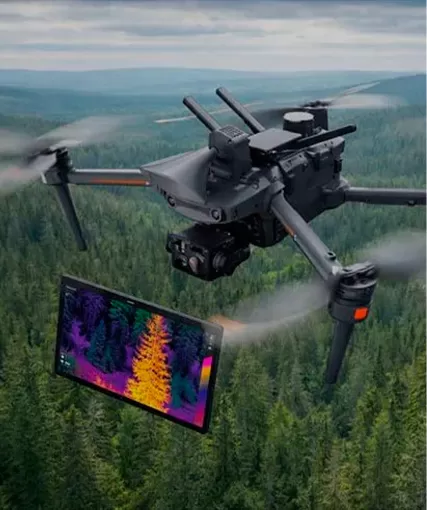
The second category merges the immersive, line-of-sight visual feedback of FPV with the structural stability, multi-sensor integration, and automated safety protocols of traditional commercial drones. These platforms are engineered specifically for precision, durability, and multi-payload capacities.
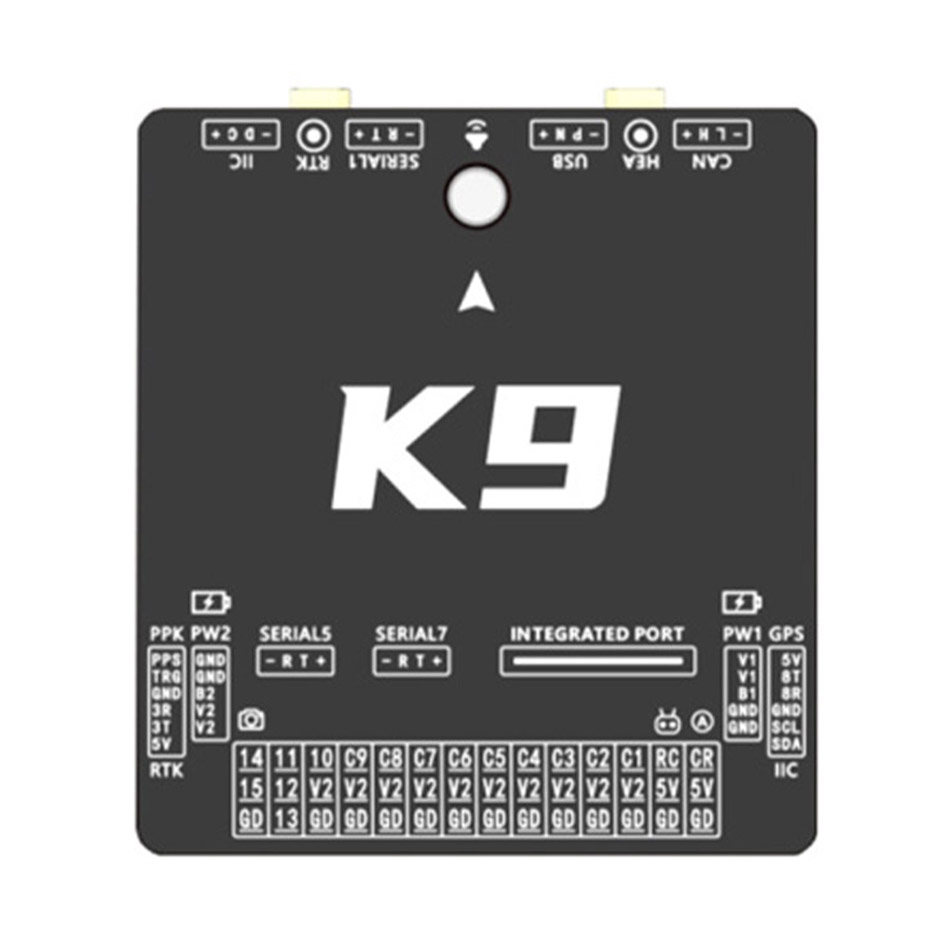
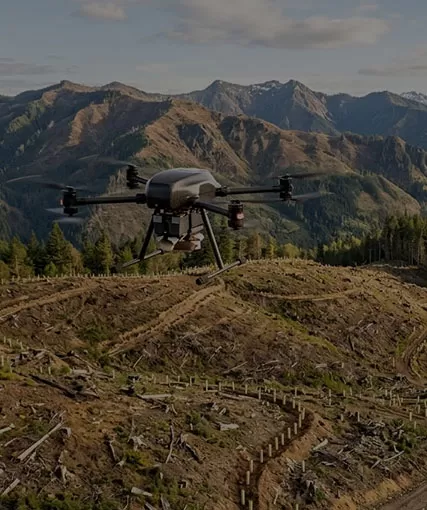
Hover-capable FPV drones rely heavily on advanced flight control systems backed by real-time GPS positioning, inertial measurement units (IMUs), downward-facing vision sensors, and optical flow modules. When the operator releases the control sticks, the aircraft instantly locks its spatial coordinates and maintains a rock-solid, stationary hover, even when subjected to adverse meteorological conditions or turbulent wind shears. Because these systems prioritize stability and payload versatility over extreme kinetic acrobatics, they serve as the backbone for heavy-duty institutional operations.
| Feature Protocol | Acrobatic/Kinetic FPV Drones | Hover-Capable FPV Platforms |
| Flight Stabilization | Fully Manual (No Auto-Leveling) | Multi-Sensor GPS & Intelligent Hover Lock |
| Airframe Design | Ultra-lightweight Rigid Carbon Fiber | Weather-sealed, Modular Composite Frame |
| Payload Capacity | Minimal (Action Camera / Lightweight Sensors) | Heavy-Lift (Thermal, LiDAR, Multispectral) |
| Primary Focus | Speed, Agility, Low Latency | Operational Precision, Endurance, Data Capture |
Tactical ISR & Rapid Frontline Reconnaissance: Stabilized FPV platforms have become indispensable assets within the modern class of military drones. In intense tactical environments, reducing a soldier's cognitive load is critical. Because these systems feature an automated hover-lock, operators do not need months of specialized pilot training to keep the aircraft airborne. A soldier can deploy the drone, wear the FPV goggles, and instantly focus 100% of their attention on gathering intelligence rather than piloting. This setup allows for vital "perch-and-stare" reconnaissance—such as hovering steadily right outside a high-rise window during urban operations or monitoring a hidden choke point to stream real-time troop movements back to command.
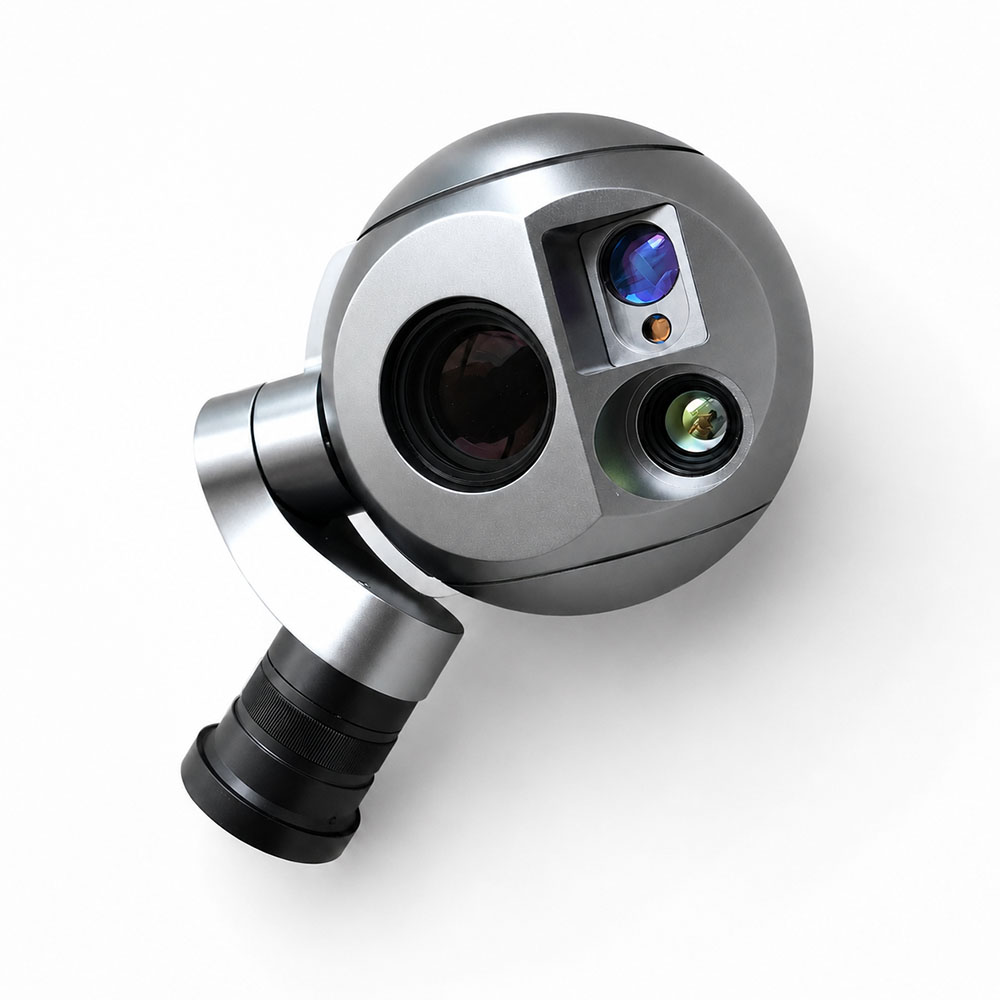
Industrial Infrastructure & Asset Management: For critical industrial tasks, such as looking for structural anomalies on offshore oil rigs, checking under bridge decks, or scanning high-voltage power grids, pilots need to hold a steady position just inches away from a structure. Stabilized FPV allows inspectors to look directly through the drone's sensory lens with extreme precision, utilizing optical zoom or thermal imaging payloads to identify structural cracks, gas leaks, or thermal hot spots safely.
Emergency Response & Disaster Management: During environmental disasters, such as chemical spills, forest fires, or structural collapses, stabilized FPV platforms provide incident commanders with safe, up-close views of hazardous zones. The ability to hover steadily allows operators to deploy specialized payloads like gas sniffers or thermal cameras to locate trapped individuals through thick smoke, mapping out safe entry paths for ground rescue teams.
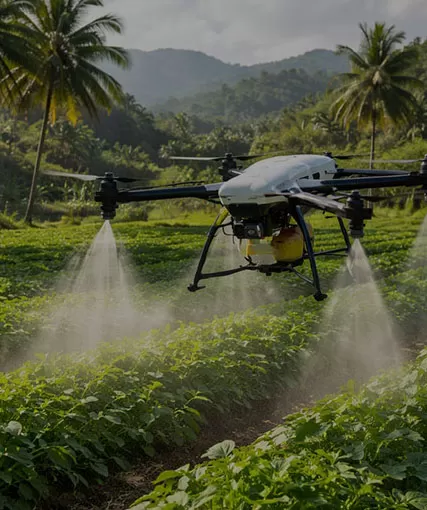
Precision Agriculture & Environmental Surveying: When managing expansive agricultural fields or monitoring delicate ecosystems, these systems utilize multispectral or LiDAR sensors while maintaining an FPV feed for the pilot. This allows for real-time tracking of crop stress, volume calculations for mining quarries, or boundary mapping in dense forestry sectors, ensuring high-accuracy data collection over prolonged flight times.
As an established leader in the global UAV manufacturing sector, HongKong Global Intelligence Technology Group Limited remains dedicated to pushing the boundaries of intelligent low-altitude aviation. By bridging the gaps between high-speed manual flight dynamics, multi-sensor hover capabilities, and rugged industrial engineering, our tailored drone systems continue to deliver safe, scalable, and highly efficient aerial workflows across the globe.

 English
 français
 Deutsch
 русский
 فارسی
فارسی ไทย
ไทย العربية
 Nederland
 বাঙালি
 Македонија