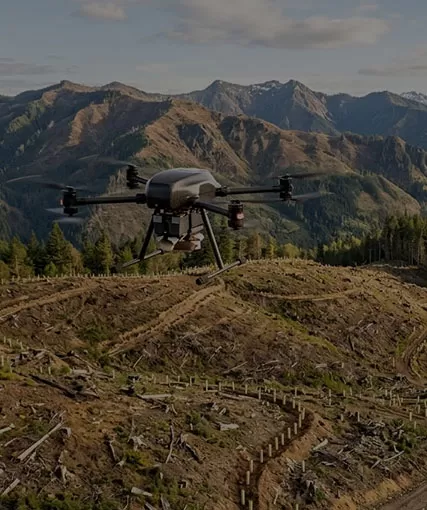
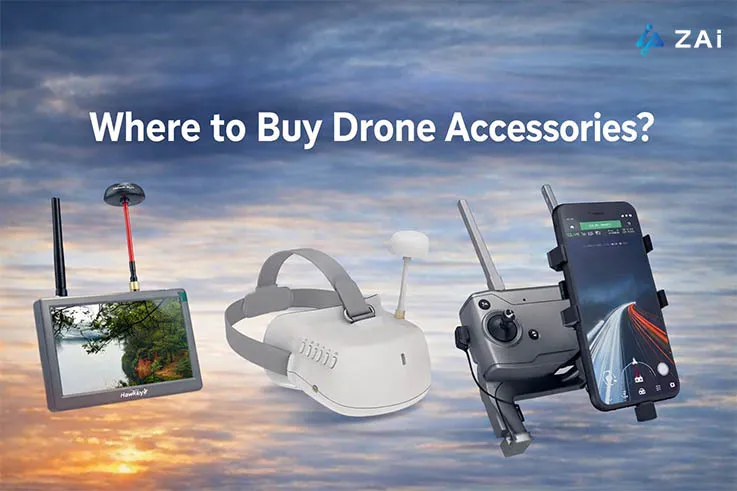
Over the past decade, the drone industry has undergone a fundamental transformation. What began as a consumer electronics category for aerial photography has evolved into a professional technology sector serving logistics, agriculture, energy inspection, emergency response, mapping, and defense-related applications. Today's industrial drone is not a hobby device—it is a mission-critical platform designed for reliability, precision, and continuous operation in complex environments.
In this context, drone accessories and drone parts are no longer optional add-ons. They are core system components that directly determine operational performance, safety, and return on investment.
Key accessories such as intelligent drone payloads, high‑capacity batteries, communication modules, and navigation sensors define what an industrial drone can actually accomplish:
Payloads determine what data you collect.
Power systems determine how long and how safely you fly.
Data links determine how far and how reliably you operate.
Low-grade components may function in casual use, but in professional scenarios they introduce unacceptable risks: signal loss, unstable flight behavior, inaccurate data, accelerated wear, and even total system failure.
Using consumer-grade or uncertified accessories in industrial operations can result in:
Reduced flight stability under load
Battery swelling, voltage drop, or thermal runaway
Sensor drift and inaccurate measurement results
Incompatibility with flight control systems
Regulatory non-compliance
Increased maintenance costs and downtime
For enterprises, these risks translate directly into lost productivity, safety incidents, and liability exposure.
A professional drone ecosystem typically includes the following major accessory categories:
High-capacity LiHV or smart batteries
Intelligent battery management systems (BMS)
Fast charging stations and mobile charging solutions
Redundant power modules for safety-critical missions
Stable and predictable power delivery is the foundation of any industrial UAV operation.
LiDAR scanners for terrain modeling and corridor inspection
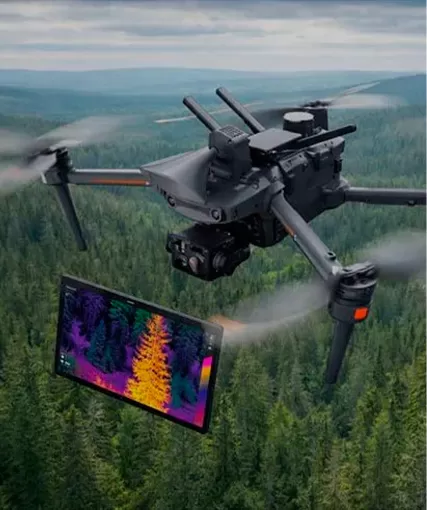
Thermal cameras for firefighting, search & rescue, and infrastructure inspection
Multispectral sensors for precision agriculture
High-zoom EO cameras for surveillance and monitoring
Cargo hooks, release systems, and spraying modules
Payload quality directly impacts data accuracy and operational value.
Long-range RF communication modules
Encrypted transmission systems
Ground control stations (GCS)
RTK/PPK positioning modules
Cloud data integration hardware
Industrial environments demand stable connectivity across long distances and interference-prone conditions.
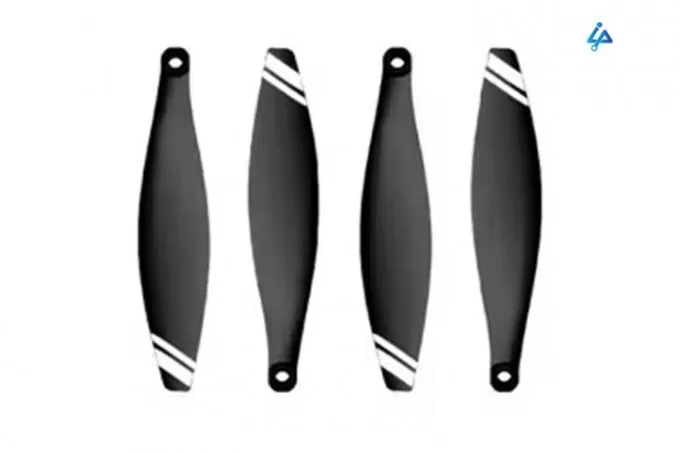
Carbon fiber drone propellers
Heavy-duty motors and ESCs
Vibration damping systems
Landing gear upgrades
Modular arms and structural components
These parts determine durability, flight efficiency, and maintenance cycles.
When sourcing professional-grade drone accessories, not all suppliers are equal. The procurement channel you choose has a direct impact on system reliability and long-term operating cost.
Purchasing accessories directly from the drone manufacturer (OEM) is the most reliable and technically sound approach.
Key advantages include:
Guaranteed hardware and firmware compatibility
Unified quality control standards
Optimized integration with flight control systems
Validated performance under real mission conditions
Access to engineering documentation and configuration support
For complex systems, OEM-supplied accessories significantly reduce integration risk and deployment time.
Certified distributors provide:
Local inventory and logistics support
Regional technical service
Regulatory compliance assistance
Industry-specific product recommendations
However, buyers should verify authorization status and technical capabilities to avoid gray-market products.
Professional B2B marketplaces can be useful for component sourcing, but require careful evaluation:
Confirm product certifications
Verify compatibility with your UAV platform
Avoid consumer-only listings
Request technical datasheets and test reports
Consumer e-commerce platforms are generally unsuitable for industrial procurement due to inconsistent quality control.
A reliable supplier should meet the following criteria:
CE
FCC
RoHS
Industry-specific aviation or safety standards
These certifications indicate tested electromagnetic compatibility, material safety, and regulatory conformity.
Industrial UAV operations require:
Integration guidance
Firmware support
Troubleshooting assistance
Spare parts availability
Long-term product lifecycle management
Advanced projects often require:
Payload adaptation
Mechanical redesign
Software protocol customization
Mission-specific tuning
Suppliers with in-house engineering teams provide substantial strategic value.
Hong Kong Global Intelligence Technology Group Limited is an industrial UAV manufacturer specializing in high-performance unmanned aerial platforms and mission-oriented drone systems.
Strict industrial-grade component selection
Full system-level testing and validation
Continuous reliability optimization
Long-term product support roadmap
All accessories and drone parts supplied by our company are:
Designed to integrate natively with our proprietary flight control architecture
Verified for electromagnetic compatibility
Optimized for payload capacity, flight endurance, and control stability
Supported by complete technical documentation
We provide:
UAV platforms
Industrial payload systems
Power and charging solutions
Communication modules
Custom engineering services
This enables customers to deploy complete, validated drone solutions instead of assembling fragmented systems from multiple vendors.
For tailored industrial drone accessories and system consultation, don't hesitate to contact us!

 English
 français
 Deutsch
 русский
 فارسی
فارسی ไทย
ไทย العربية
 Nederland
 বাঙালি
 Македонија