
As drone logistics rapidly evolves, terms like delivery drone and cargo drone appear everywhere—from e-commerce announcements to industrial transport reports. While the two concepts sound similar, they are not interchangeable. Companies building drone delivery services, logistics planners evaluating UAV fleets, and consumers curious about the future of automated delivery often ask the same question:
Is a delivery drone the same as a cargo drone?
The short answer:
All delivery drones are cargo drones, but cargo drones represent a much wider category that includes many mission types, sizes, capabilities, and payload classes.
To truly understand the difference—and why it matters for modern logistics—we must examine their roles, engineering features, regulatory considerations, and real-world applications. This analytical review will walk you through every dimension of the comparison.
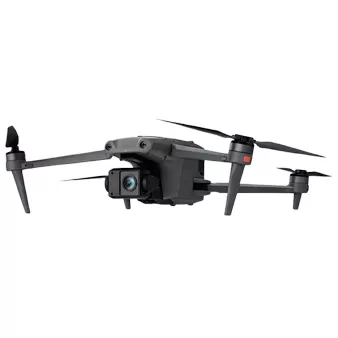
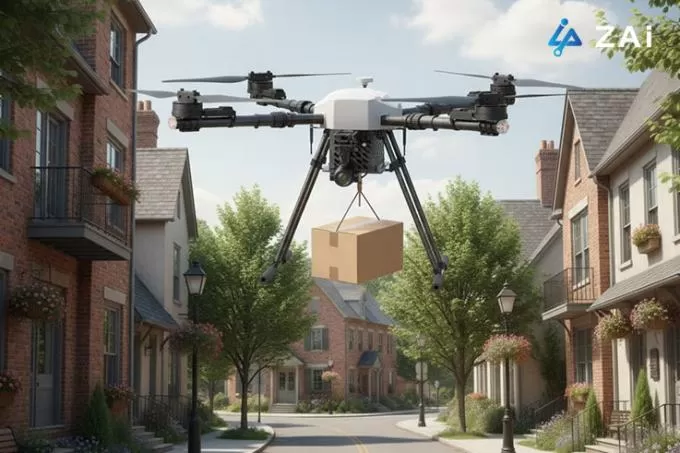
A delivery drone is a specific type of cargo drone built for last-mile consumer delivery. These drones transport small parcels from a nearby hub directly to a customer's home, backyard, rooftop, or designated landing area.
They typically carry 5–10 lbs (2–5 kg) of lightweight goods such as:
E-commerce packages
Fast-food orders
Groceries or beverages
Emergency medications
Prescription or lab samples
Delivery drones emphasize precision, safety around people, quiet operation, and short-distance efficiency.
Smaller size and lighter frames
Shorter flight ranges (under 20 miles)
Automated route planning for populated areas
Lower noise levels
Often multi-rotor for vertical takeoff and landing
Delivery drones are designed for customer convenience, not heavy-duty industrial logistics.
Below is a clear side-by-side comparison to highlight how their missions diverge.
| Feature | Delivery Drone (Last-Mile) | Cargo Drone (General / Heavy-Lift) |
| Primary Role | Deliver small packages directly to consumers | Transport goods between hubs, warehouses, and industrial sites |
| Payload Capacity | 5–10 lbs (2–5 kg) | 20–350+ kg, with heavy-lift variants exceeding 770 lbs |
| Range/Distance | Short-range (<20 miles), optimized for fast, local trips | Medium to long-range, ideal for regional and middle-mile logistics |
| Examples of Use | e-commerce parcels, food delivery, urgent home medical drops | construction materials, industrial parts, oil rig supplies, inter-hospital medical cargo |
| Typical Size | Small–medium multi-rotor or fixed-wing hybrid | Large fixed-wing or heavy-lift multi-rotor VTOL aircraft |
This table shows that delivery drones and cargo drones differ significantly in engineering and operational use, even though they share the core purpose of moving goods. If your business is exploring professional UAV logistics solutions, you may contact Industrial Grade Drone for expert guidance and robust ZAi drones systems tailored to delivery, cargo transport, and heavy-lift applications.
People tend to mix the two terms because delivery drones dominate public perception. When the media shows drone delivery demos—coffee drops, pizza delivery, home parcel delivery—the mental image becomes “a drone delivering a box.”
However, behind the scenes, enterprises and governments use cargo drones for:
Regional inter-hub transport
Bulk supply movement
Disaster relief
Medical distribution to rural areas
Offshore industrial supply chains
These delivery drones rarely appear on social media, yet they carry far more strategic value.
Thus, both share a common purpose but operate in completely different logistics layers.
Delivery drones operate mostly in suburban or urban zones, which demand:
Obstacle avoidance sensors
Precision landing systems
Quiet propeller design
Safe autonomous descents
Light, non-invasive payload mechanisms
Their payloads are small, but the required software sophistication is extremely high.
Cargo drones often operate in harsh environments:
Deserts
Forests
Offshore platforms
Mountains
Snow and high winds
Thus, they emphasize:
High-thrust propulsion
Durable frames
Larger wingspans for lift
Weather resistance
Long-range avionics
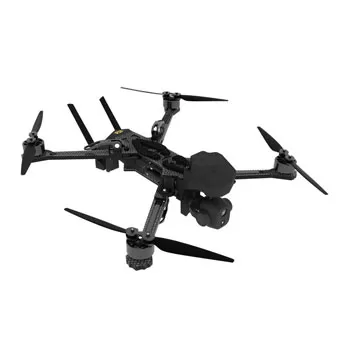
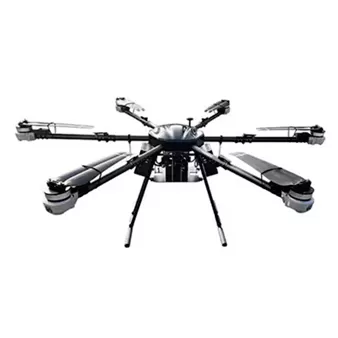
Cargo drones often look like mini-airplanes or industrial VTOL aircraft—nothing like the compact delivery drones shown in consumer media.
Designed for short trips from a local distribution hub to a residential customer, delivery drones excel in:
Urban express delivery
Suburban package drops
Health emergencies
Convenience purchases
Time-sensitive consumer orders
They often take off from micro-hubs, landing pads, rooftops, or autonomous lockers.
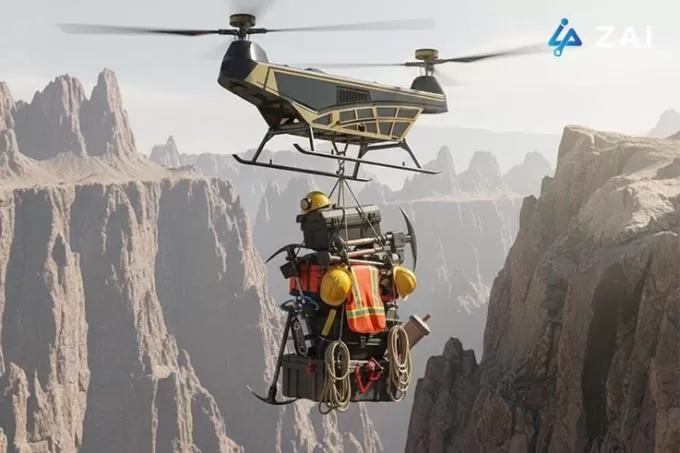
Cargo industrial drones serve B2B logistical connections, replacing trucks and helicopters where ground or manned aviation is costly or slow.
Common use cases:
Moving heavy equipment to construction zones
Shipping lifesaving supplies to remote hospitals
Delivering replacement parts to offshore platforms
Supporting mining operations with bulk materials
Facilitating humanitarian aid in isolated regions
Cargo drones create a new aerial freight network—not visible to consumers, but transformative for industries.
Because delivery drones fly near people, regulators impose stricter requirements:
Beyond Visual Line of Sight (BVLOS) permissions
Redundant safety systems
Parachutes or safe-fall mechanisms
Advanced detect-and-avoid technology
Low noise and urban safety standards
Airspace integration planning
Heavy aircraft certification
Airline-style maintenance requirements
Flight corridor approvals
Remote area hazard mitigation
Delivery drones face high population-density risks.
Cargo drones face heavy-aircraft risks.
Both categories operate under UAV regulations, but they fall into very different certification classes.
To clarify the definition:
A delivery drone is a type of cargo drone.
But:
Cargo drones include many aircraft far larger and more powerful than delivery drones.
Think of it like this:
A drone carrying a 1 lb coffee order to a homeowner → Delivery Drone
A drone carrying a 300 lb crate to a mining site → Cargo Drone
Yet both technically fall under the category of cargo drones.
Delivery drones = small, customer-facing, last-mile logistics
Cargo drones = broad category including heavy-lift, regional transport, and industrial supply
The distinction matters because companies must choose the right drone type for their operations:
Retailers, pharmacies, restaurants → small delivery drones for fast last-mile service
Hospitals, manufacturers, construction, energy → medium and heavy-lift cargo drones
Logistics companies → both, forming a complete end-to-end drone freight network
As drone logistics expands globally, understanding the difference between delivery drones and cargo drones helps businesses build better workflows, ensures regulatory compliance, and allows more informed investment decisions. For companies seeking reliable UAV deployment, Industrial Grade Drone offers professional consultation and advanced ZAi-series cargo and delivery drone solutions to support safe, compliant, and efficient aerial logistics operations.
Delivery drones will transform how consumers receive daily goods.
Cargo drones will reshape industrial supply chains and regional transport.
Together, they form the future of aerial logistics.

 English
 français
 Deutsch
 русский
 فارسی
فارسی ไทย
ไทย العربية
 Nederland
 বাঙালি
 Македонија