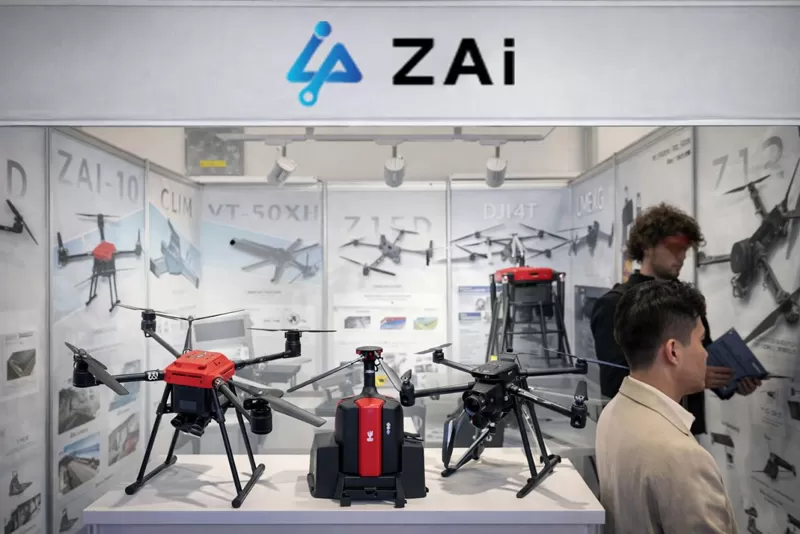
After a high-impact presence at UMEX Middle East 2026, ZAi returns with clearer direction and stronger alignment with global demand for advanced unmanned systems. The exhibition was not only a platform for visibility, but a practical checkpoint for understanding where the industrial drone market is heading—and where ZAi fits within it.
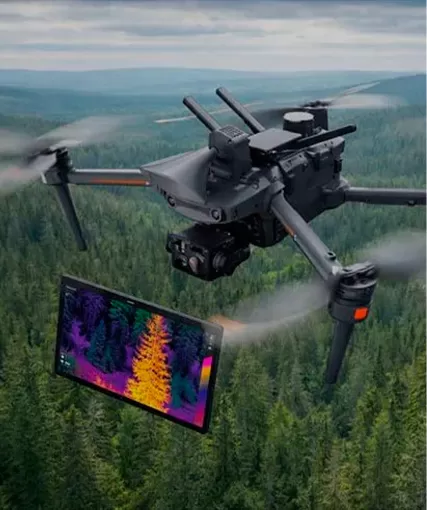
Across the exhibition floor, one trend stood out: the rapid shift from single-purpose UAVs to multi-role platforms. Buyers are no longer evaluating drones based on isolated specifications—they are assessing adaptability, payload integration, and deployment efficiency.
From logistics to surveillance, the expectation is clear: a modern professional drone must function as a system, not just a product. This reinforces the growing importance of modular design and scalable architecture in industrial UAV development.
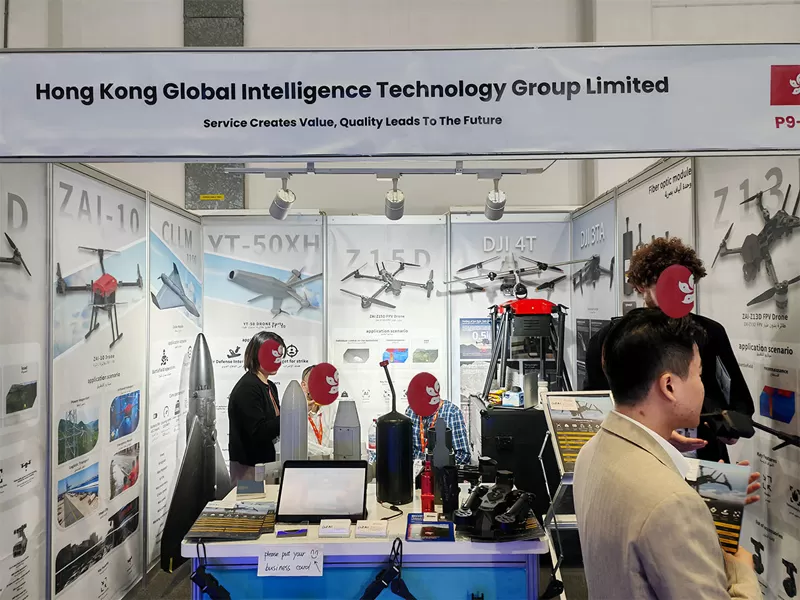
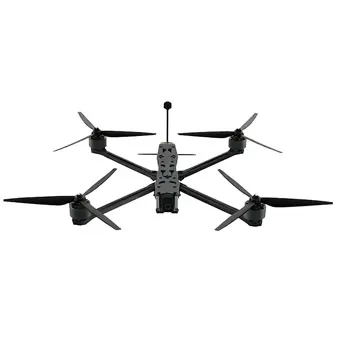
At UMEX 2026, ZAi focused on showcasing FPV platforms and loitering systems, but the deeper value lay in how these platforms were received. Conversations with partners consistently moved beyond product features and into system-level discussions—mission profiles, operational environments, and integration requirements.
This shift highlights a critical industry reality: being a competitive drone manufacturer today is not about offering more models, but about delivering reliable, mission-ready solutions. ZAi's engineering approach—centered on stability, payload flexibility, and real-world deployment—proved highly relevant in this context.
One of the most consistent signals from UMEX was the demand for drone customized solutions. Off-the-shelf platforms are increasingly seen as a starting point rather than a final product.
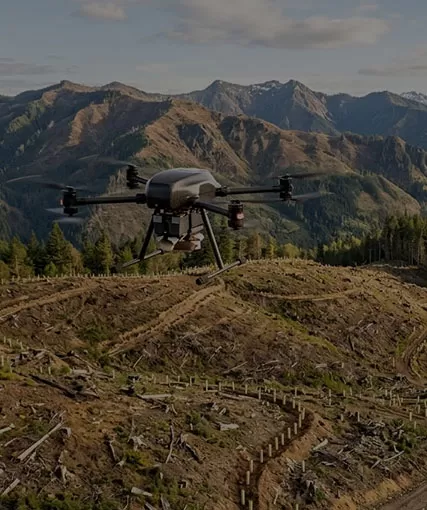
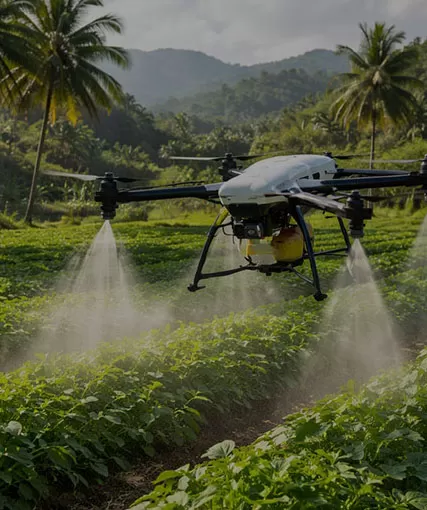
Clients across sectors—defense, infrastructure, and agriculture—are looking for UAV systems tailored to specific operational needs. Whether it is extended endurance, specialized payloads, or environment-specific configurations, customization has become a baseline expectation.
For ZAi, this aligns directly with its development strategy: building adaptable platforms that can be rapidly configured into custom drone solutions without compromising performance or reliability.
UMEX also served as a valuable gateway to the Middle East market, where demand for industrial drone applications continues to grow. Direct engagement with regional stakeholders provided actionable insights into local operational challenges, from climate conditions to regulatory frameworks.
These interactions are essential for refining ZAi's global strategy—not just exporting products, but delivering localized professional drone solutions supported by responsive collaboration.
With UMEX concluded, the focus now shifts to execution. ZAi is actively following up with partners and converting exhibition discussions into concrete projects.
As a forward-looking drone manufacturer, the company remains committed to bridging the gap between concept and deployment—turning complex requirements into practical UAV systems.
Organizations seeking scalable industrial drone platforms or fully drone customized solutions will find in ZAi a partner focused on performance, adaptability, and long-term value.